Font, V-Scale, the German gym 1–9 level system and the research-standard IRCRA scale all measure the same thing differently. Here is a full conversion chart — and an honest look at where the numbers stop lining up.
Consistency beats intensity over a season. Here's the behavioral science of habits and streaks — and how to use a streak to build training that lasts without burning out.
Beginners get strong just by climbing; advanced climbers need targeted stress. Here's exactly what changes — including the year-based rule for when to start hangboarding.
One builds maximum finger strength, the other explosive power — and most climbers only need one of them. Here's how to choose, and when a campus board is worth the risk.
A deload isn't lost time — it's when adaptation happens. Here's how to program a deload week, what to reduce, and the science of why less becomes more.
Fixed percentages assume you're identical every day — you aren't. Here's how RPE and autoregulation let you match load to how your fingers actually feel, backed by strength science.
Stop training randomly. Here is how to structure a bouldering plan into base, strength, power and deload phases — and how to pick linear, block or undulating periodization for your life.
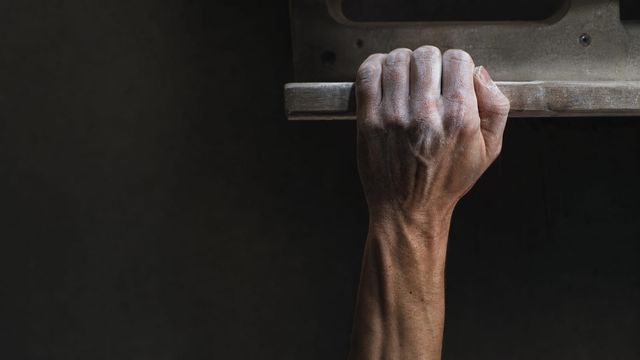
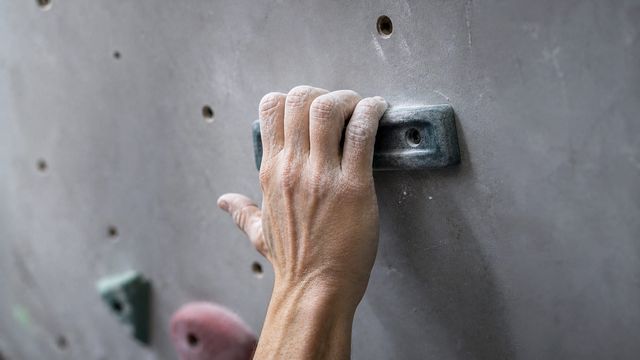
The full crimp puts up to 31.5× more force on your A2 pulley than an open hand. Here's how the three grips differ biomechanically — and which to train.
Finger strength is the single best predictor of climbing grade. Here are the five exercises with the strongest evidence — and how to program them safely.
The pop you never want to hear. Here's how to recognize a finger pulley injury, why crimping multiplies the risk, and how to prevent and rehab it based on the research.
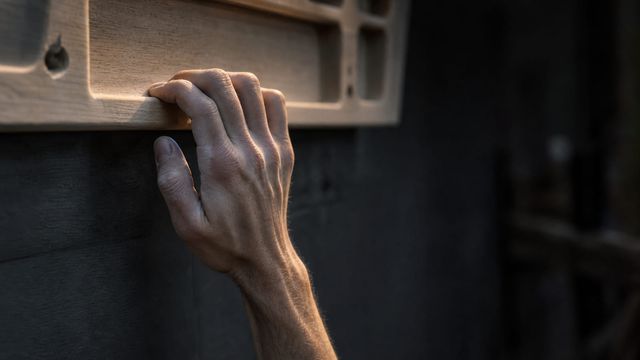
Everything a boulderer needs to train fingers safely: the three main hangboard methods, the research behind them, load and edge guidelines, and a beginner-safe first protocol.
Two to three sessions a week, 48 hours apart — but the real answer depends on your total finger load, not just hangboard days. Here's what the studies actually say.